Create a Website

Uncategorized

Free 7-Day Rajyoga Meditation Course in English Online 2026

Free 7-Day Rajyoga Meditation Course in English Online 2026

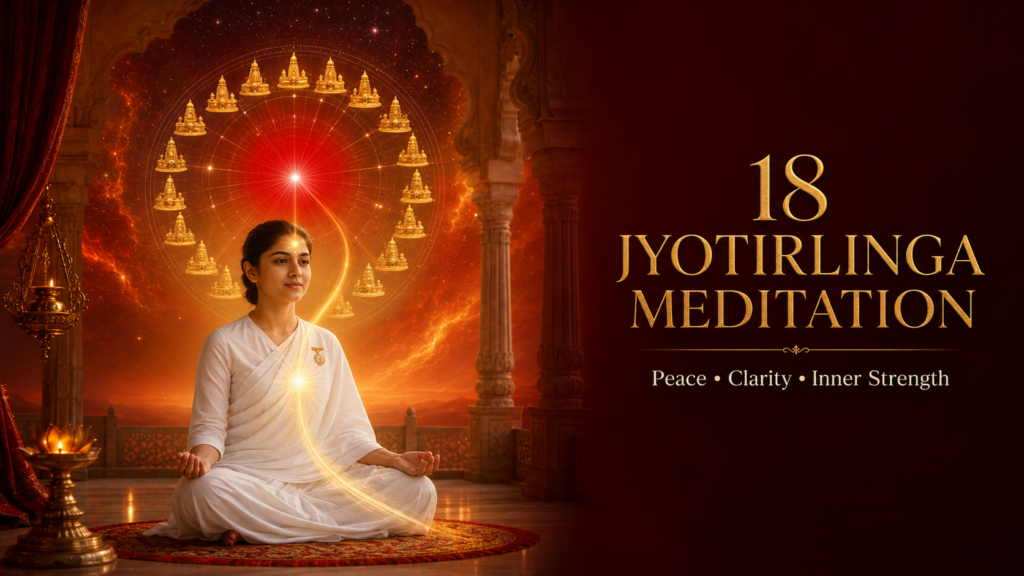
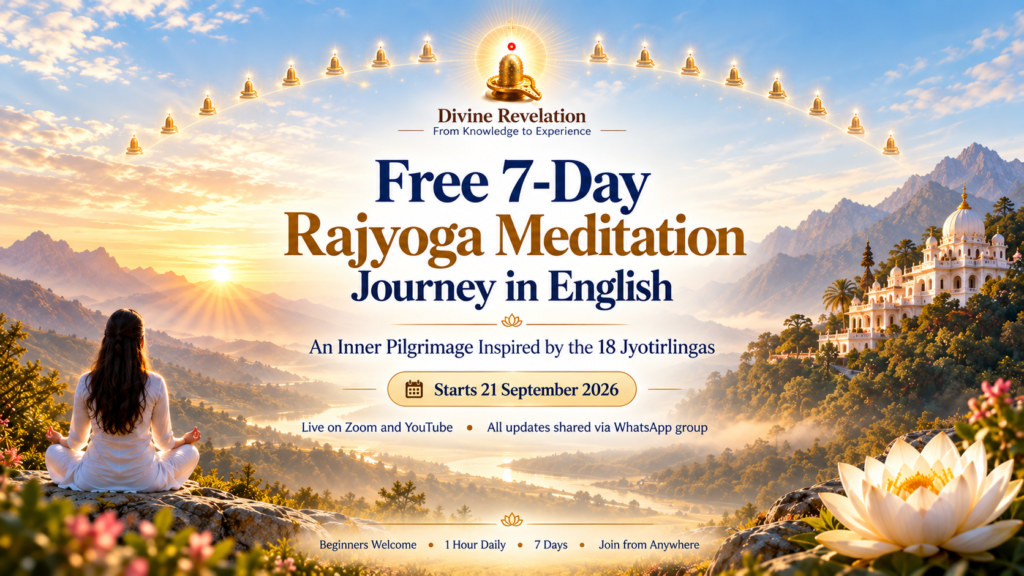
Some journeys take us across cities, mountains and sacred places. Other journeys begin when we become still. From Monday, 21 September 2026, Divine Revelation invites spiritual seekers from India and around the world to join a Free 7-Day Rajyoga Meditation Journey in English. For approximately one hour every evening, participants will have an opportunity to move away from constant external activity and experience meditation, reflection and spiritual awareness. The programme will be conducted live on Zoom, with wider access through YouTube Live. All Zoom links, YouTube Live links, reminders and important programme information will be shared through the official WhatsApp group. 🟢 JOIN THE OFFICIAL WHATSAPP GROUP 21 September 2026 | 8:00 PM to 9:00 PM IST | 7 Days | English | Free Why Seven Days of Rajyoga Meditation? Modern life continuously asks for our attention. Emails. Messages. Meetings. Responsibilities. Family. Decisions. Deadlines. Even when our body stops moving, the mind may continue travelling through dozens of thoughts. Rajyoga provides an opportunity to turn the attention inward. Instead of asking only: What is happening around me? Meditation encourages another question: What is happening within me? For seven consecutive days, participants consciously create one hour for reflection, awareness and meditation. The objective is not simply to collect information. The deeper purpose is experience. 🟢 JOIN THE 7-DAY RAJYOGA WHATSAPP GROUP All joining information will be shared in the group. A Spiritual Journey That Will Unfold Live The complete spiritual content of the programme is intentionally not being published beforehand. This is important. Rajyoga is not simply something to read. It is something to experience. Each session will be allowed to unfold naturally. Participants can arrive without trying to know everything in advance. Listen. Reflect. Meditate. Experience. Allow one understanding to prepare the mind for the next. This creates a very different journey from simply reading a fixed syllabus. What Is Rajyoga Meditation? Rajyoga is a spiritual meditation practice centred on awareness, consciousness and inner experience. Throughout our lives, we identify ourselves through changing roles. I am a professional. I am a parent. I am a student. I am successful. I am worried. I am busy. I am tired. These descriptions may explain our current circumstances, but Rajyoga encourages us to explore something deeper. Who am I beyond all these changing roles? The answer is not meant only to be memorised. It is something to be explored through meditation. 🟢 RECEIVE THE ZOOM AND YOUTUBE LIVE LINKS ON WHATSAPP From Outer Pilgrimage to Inner Pilgrimage India’s spiritual tradition contains some of the world’s most powerful symbols of devotion. Among them, the sacred remembrance of Jyotirlingas has inspired seekers for generations. A pilgrimage normally involves movement towards a sacred destination. But meditation introduces another possibility. What if the journey towards the sacred can also become a journey within? A physical pilgrimage may take us towards a temple. An inner pilgrimage asks: What is the quality of my consciousness? What am I carrying inside? What thoughts do I repeatedly create? Can remembrance become an inner experience? Can spiritual awareness continue even after the pilgrimage ends? This is where the idea of the 18 Jyotirlingas and Rajyoga creates an interesting spiritual bridge. The 18 Jyotirlingas: A Journey of Bhakti and Gyan The wider Divine Revelation and Parmatam Pratyakshata spiritual vision explores an 18-Jyotirlinga journey as a meeting point between devotion and spiritual understanding. The 18 sacred names presented in this journey are: The deeper invitation is not simply to count sacred places. It is to reflect on what sacred remembrance can awaken within us. 18 sacred reminders. One inner journey. 🟢 JOIN THE WHATSAPP COMMUNITY FOR THE LIVE JOURNEY Bhakti, Gyan and Experience Spirituality can sometimes become divided into separate categories. Devotion. Knowledge. Meditation. Practice. But perhaps they do not need to remain separate. Bhakti can open the heart. Gyan can bring understanding. Meditation can turn understanding into experience. And daily life gives us an opportunity to express that experience. A simple progression can therefore become: See → Remember → Understand → Experience → Live A sacred place may inspire us for a few hours. The deeper challenge is carrying that awareness into ordinary life. Into our work. Into our relationships. Into difficult conversations. Into uncertainty. Into success. Into disappointment. Into the moments when nobody else is watching. Practical Benefits You May Begin to Explore Meditation should not be treated as a promise of instant transformation. But regular spiritual reflection can create an opportunity to become more aware of our internal patterns. Participants may begin exploring qualities such as: A Calmer Mind The world may remain busy, but we can begin observing the mental noise instead of automatically becoming part of it. Greater Clarity When thoughts become less scattered, decisions can sometimes feel clearer. More Patience A small pause between a situation and our reaction can change the quality of communication. Emotional Balance Meditation can encourage greater awareness of emotions before we immediately act on them. Positive Thinking We begin noticing which thoughts strengthen us and which repeatedly drain us. Inner Strength Difficult circumstances may continue, but our relationship with those circumstances can begin to change. 🟢 JOIN FREE THROUGH THE OFFICIAL WHATSAPP GROUP Rajyoga in Everyday Life The real test of meditation is not only what happens while sitting quietly. It is what happens afterwards. Before Starting Work Instead of immediately opening emails and messages, pause briefly. Ask yourself: What quality of mind do I want to bring into my work today? Before an Important Meeting Prepare not only what you want to say. Prepare how you want to listen. Before Replying to a Difficult Message Pause before responding. A few seconds of awareness can completely change the tone of a conversation. During Stress Notice the thought before becoming the thought. During Relationship Conflict Ask: Do I want to win the reaction, or protect my inner stability? Before Sleeping Allow the scenes of the day to settle. Not every conversation needs to continue inside the mind throughout the night. From Reaction to

Free 7-Day Rajyoga Meditation Course in English Online 2026 Read More »
The 18 Jyotirlingas: A Spiritual Journey from Devotion to Inner Realisation

The 18 Jyotirlingas: A Spiritual Journey from Devotion to Inner Realisation

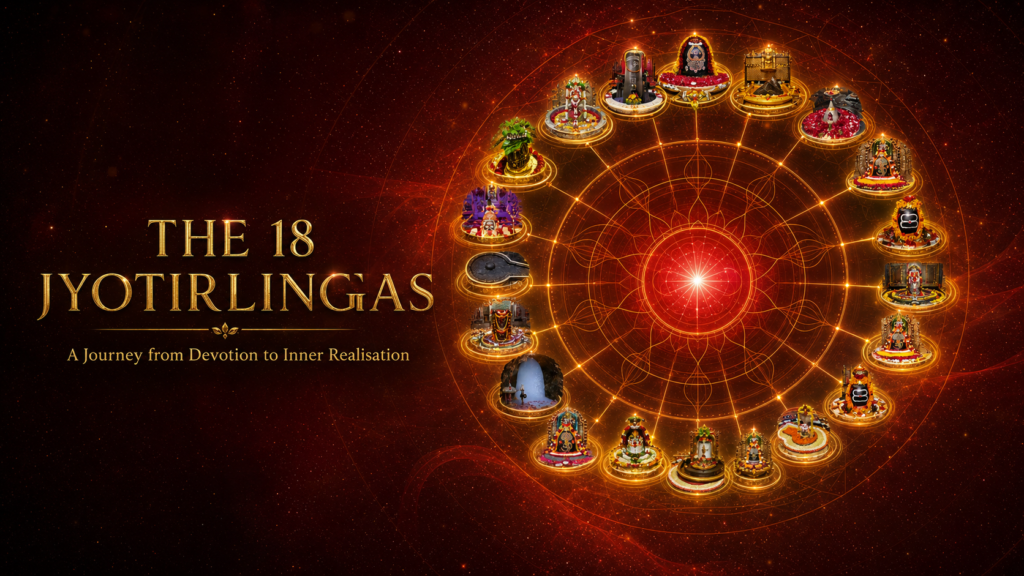
For centuries, the Jyotirlinga has represented the radiant and incorporeal presence of Shiva. The word “Jyoti” means light, while “Linga” can be understood as a symbol or sign. Together, the Jyotirlinga invites the seeker to move beyond the physical form and experience Shiva as divine spiritual light. Hindu tradition commonly recognises twelve principal Jyotirlingas. Parmatam Pratyakshata presents an expanded eighteen-part meditation framework connecting sacred Shiva remembrance, the eighteen chapters of the Shrimad Bhagavad Gita, contemplative Energy Centres and practical qualities for personal transformation. This framework should be understood as a spiritual meditation journey, not as a claim that all eighteen locations are traditionally classified as historical Jyotirlinga temples. From External Pilgrimage to Inner Pilgrimage A physical pilgrimage can awaken devotion, humility and reverence. An inner pilgrimage asks us to carry those experiences into our thoughts, relationships and actions. What is the value of visiting a sacred place if anger continues to control the mind? What is the value of offering flowers if we continue holding jealousy or resentment? What is the value of remembering Shiva if our actions do not become more peaceful, pure and compassionate? The deeper purpose of spiritual knowledge is transformation. The Eighteen-Part Journey The Parmatam Pratyakshata sequence reflects upon: Each reflection offers a practical question: Which quality must I awaken within myself? The Connection With the Bhagavad Gita The eighteen chapters of the Bhagavad Gita present a progressive journey through confusion, knowledge, action, discipline, devotion, wisdom and surrender. The seeker begins with questions and inner conflict. Through spiritual understanding, the intellect becomes clearer. Knowledge is then converted into disciplined action and a stable spiritual lifestyle. The eighteen-part Jyotirlinga meditation framework follows a similar movement—from outer remembrance to inner experience. A Simple Jyotirlinga Meditation Sit comfortably and allow the body to relax. Become aware of yourself as a peaceful soul, a point of living light. Visualise Supreme Soul Shiva as a radiant, incorporeal point of divine light. Select one Jyotirlinga reflection and one associated quality. Experience that quality entering your thoughts and behaviour. Carry it into one practical action during the day. For example, when reflecting on Omkareshwar, practise humility during a conversation. When reflecting on Badrinath, release one old hurt. When reflecting on Jageshwar, complete one important action without delay. Continue Your Spiritual Journey You can explore this eighteen-part framework through guided Rajyoga meditation and the seven-day course. Course duration: 7 days Daily session: 1 hour Timing: 8:00 PM to 9:00 PM IST Send “Omshanti” to receive the latest WhatsApp group link. Mobile and WhatsApp: +91 87505 46965 Email: hiteshchhabra91@gmail.com The true pilgrimage does not end when we return home. It continues when remembrance becomes character and spiritual knowledge becomes elevated action.

The 18 Jyotirlingas: A Spiritual Journey from Devotion to Inner Realisation Read More »

Easy Rajyoga Meditation for Beginners: A 7-Day Journey to Inner Peace

Easy Rajyoga Meditation for Beginners: A 7-Day Journey to Inner Peace

Modern life keeps the mind constantly occupied. Messages, responsibilities, deadlines and relationships can leave little time for inner silence. Even when the body rests, the mind may continue revisiting the past or worrying about the future. Easy Rajyoga meditation offers a simple spiritual method for returning to peace. It does not require difficult physical postures, special equipment or previous meditation experience. It begins with a fundamental question: Who am I? Understanding the Soul Rajyoga teaches that we are not merely physical bodies or social roles. We are conscious spiritual beings, or souls, using the body to think, communicate and perform actions. The soul is the thinker, observer and decision-maker. Peace, purity, love, happiness, knowledge, power and bliss are considered its original qualities. When we repeatedly identify only with our body, profession, possessions or relationships, our thoughts can become influenced by comparison, fear and attachment. Soul-conscious awareness helps us step back from these pressures and respond with greater clarity. Connecting With Supreme Soul Shiva Rajyoga means establishing a loving mental connection between the soul and Supreme Soul Shiva, the incorporeal Ocean of Peace, Purity, Love, Knowledge and Spiritual Power. This connection is created through elevated thought and remembrance. Rather than forcing the mind to become blank, we gently direct it toward peaceful spiritual awareness. A beginner can start with these thoughts: I am a peaceful soul. I am a living point of conscious light. Peace is my original nature. Supreme Soul Shiva is the Ocean of Peace. I receive peace, purity and spiritual strength. Experience each thought slowly. Allow its meaning to enter your awareness instead of repeating it mechanically. Benefits of Regular Rajyoga Practice Consistent meditation may help you: Develop calmer and clearer thinking Respond instead of reacting impulsively Release unnecessary emotional burdens Improve concentration and decision-making Strengthen self-respect Create more peaceful relationships Develop courage during difficult situations Bring spiritual values into everyday actions Meditation is most effective when it becomes part of daily life. Even eight peaceful minutes in the morning can influence the quality of your thoughts throughout the day. A Simple Daily Routine Morning: Sit quietly before checking your phone. Practise soul-consciousness and choose one quality for the day. During work: Pause for one minute between important tasks. Withdraw from mental noise and return to peace. Before a difficult conversation: Ask which spiritual power you need—tolerance, courage, acceptance, discrimination or cooperation. Evening: Review your day without guilt. Appreciate your progress and identify one thought or behaviour you would like to improve tomorrow. Join the 7-Day Easy Rajyoga Meditation Course The seven-day course offers a structured introduction to soul-consciousness, Supreme Soul Shiva, karma, spiritual time, Rajyoga practice, divine qualities and a sustainable spiritual lifestyle. Course duration: 7 days Daily session: 1 hour Timing: 8:00 PM to 9:00 PM IST To receive the latest WhatsApp group link, send “Omshanti” to: Mobile and WhatsApp: +91 87505 46965 Email: hiteshchhabra91@gmail.com Begin with one peaceful thought today. A calm mind is not created by escaping responsibilities. It is created by learning how to meet them with spiritual awareness and inner strength. Note: Meditation can support emotional and spiritual well-being, but it is not a replacement for medical or mental-health treatment.

Easy Rajyoga Meditation for Beginners: A 7-Day Journey to Inner Peace Read More »

18 Jyotirlingas: Spiritual Meaning, Importance and Rajyoga Journey

A pilgrimage is not only a journey from one physical location to another. Its deeper purpose is to guide the soul from darkness to light, from confusion to wisdom and from dependence to spiritual freedom. The word “Jyotirlinga” combines two powerful spiritual ideas. “Jyoti” means divine light, while “linga” signifies a sacred symbol or mark. A Jyotirlinga therefore reminds us of the Supreme as an incorporeal, radiant source of purity, peace, wisdom and spiritual power. Traditional Hindu teachings commonly recognise twelve principal Jyotirlingas. Parmatam Pratyakshata presents an expanded spiritual journey of eighteen sacred memorials. This framework includes familiar Jyotirlingas and additional sacred forms associated with eighteen stages of inner transformation. The eighteen-part journey is a devotional and educational interpretation. It is not intended to replace traditional Jyotirlinga lists, temple histories or established commentaries on the Bhagavad Gita. Instead, it helps spiritual seekers apply divine teachings to everyday life through Rajyoga meditation. Why Are the 18 Jyotirlingas Important? The eighteen Jyotirlingas represent eighteen qualities that a soul can awaken through knowledge, meditation and elevated actions. Each stage is connected with: The eighteen chapters of the Bhagavad Gita take Arjuna from emotional confusion to clarity, surrender and purposeful action. In the same way, this journey takes the seeker from sorrow and body consciousness towards self-realisation, divine remembrance and world-benefactor consciousness. 1. Somnath: Rediscovering Spiritual Self-Respect Bhagavad Gita Connection: Chapter 1Meditation Memorial: Diamond Hall, Shantivan Somnath represents the awakening of hope, dignity and spiritual richness. Just as a diamond is formed through intense pressure, the soul can transform difficult experiences into wisdom and strength. Divine knowledge, described symbolically as Somras, helps an ordinary or discouraged life become radiant and valuable. Somnath teaches us to move beyond hopelessness, loss and feelings of scarcity. Its message is: I am not weak or empty. I am an eternal soul filled with divine potential. 2. Kedarnath: Freedom from Body Consciousness Bhagavad Gita Connection: Chapter 2Meditation Memorial: Baba’s Room, Shantivan Kedarnath represents liberation from body consciousness, attachment and accumulated sorrow. Much human suffering begins when we identify completely with the body, possessions, relationships or social position. The second chapter of the Bhagavad Gita introduces the eternal nature of the soul. The body changes, but the conscious self continues its journey. Meditating on Kedarnath encourages trustee consciousness. We care for our responsibilities while remembering that nothing physical belongs to us permanently. This awareness brings deep rest, freedom from anxiety and emotional stability. 3. Jageshwar: Awakening from Spiritual Sleep Bhagavad Gita Connection: Chapter 3Meditation Memorial: Prakash Stambh, Shantivan Jageshwar represents awakening through divine knowledge. It inspires the soul to rise above delay, indecision, carelessness and spiritual laziness. Knowledge becomes meaningful when it is translated into action. We may understand what is right, but transformation begins only when we practise it. Jageshwar teaches us to become alert, responsible and courageous. Its light removes confusion and inspires us to take the first elevated step without waiting for perfect circumstances. 4. Badrinath: Transforming Old Sanskars Bhagavad Gita Connection: Chapter 4Meditation Memorial: Baba Kutiya, Pandav Bhavan Within the Parmatam Pratyakshata framework, Badrinath represents the transformation of old sanskars and the ending of revenge, resentment and blame. Sanskars are the impressions, habits and emotional patterns carried by the soul. When these patterns remain unexamined, they repeatedly influence our thoughts and relationships. The spiritual lesson of Badrinath is to replace hardness with forgiveness and bitterness with generosity. Real spiritual knowledge does not merely inform the intellect. It purifies the personality. 5. Mahakaleshwar: Becoming Fearless Before Time Bhagavad Gita Connection: Chapter 5Meditation Memorial: Baba’s Room, Pandav Bhavan Mahakaleshwar means the Lord beyond the limitations of time. This stage helps the soul overcome fear of change, loss, ageing and death. Fear grows when we believe that our physical identity is our complete existence. Soul consciousness creates the understanding that life is a continuous spiritual journey. Mahakaleshwar inspires bodiless awareness and peaceful detachment. Remembering the eternal self allows us to meet changing circumstances with courage, stability and acceptance. 6. Grishneshwar: Replacing Jealousy with Compassion Bhagavad Gita Connection: Chapter 6Meditation Memorial: Conference Hall, Shantivan Grishneshwar represents the removal of hatred, jealousy, comparison and criticism. These emotions disturb relationships and quietly reduce our spiritual power. Rajyoga teaches us to see every person as a soul carrying a unique history and set of sanskars. This awareness encourages understanding instead of judgement. The lesson of Grishneshwar is equality of vision. When comparison ends, compassion begins. We become able to appreciate others without diminishing ourselves. 7. Omkareshwar: Returning to the Original State of Peace Bhagavad Gita Connection: Chapter 7Meditation Memorial: Om Shanti Bhavan, Pandav Bhavan Omkareshwar reminds us of the original spiritual identity expressed in the words “Om Shanti”, meaning “I am a peaceful soul.” Peace is not something that must be obtained from another person or external situation. It is an original quality of the soul. Omkareshwar transforms wounded ego, emotional disturbance and the constant desire to prove oneself. Its practice develops humility, silence and inner stability. When we return to peace, our words and decisions become more powerful. 8. Rameshwar: Conquering the Inner Ravana Bhagavad Gita Connection: Chapter 8Meditation Memorial: Gyan Ratan Stambh, Shantivan Rameshwar symbolises victory over the inner Ravana of ego, anger, revenge, attachment and harshness. The greatest spiritual battle is not fought against another person. It is fought within our own consciousness. Every time we respond with patience instead of anger, or humility instead of ego, we achieve an inner victory. Rameshwar teaches self-rule. A true ruler is someone who can govern their own thoughts, emotions and reactions. 9. Trimbakeshwar: Awakening the Eye of Wisdom Bhagavad Gita Connection: Chapter 9Meditation Memorial: Baba’s Room, Gyan Sarovar Trimbakeshwar represents the awakening of spiritual vision. The three eyes can be understood as awareness of the past, present and future, as well as knowledge of the soul, the Supreme Soul and the world drama. This stage transforms confusion, impulsive behaviour and mental clutter into discernment and wise judgement. The lesson of Trimbakeshwar is to pause before reacting. When the intellect is peaceful

18 Jyotirlingas: Spiritual Meaning, Importance and Rajyoga Journey Read More »

Exploring Parmatam Pratyakshata: The Path to Soul-Conscious Living

Understanding Parmatam Pratyakshata Parmatam Pratyakshata refers to the experience of recognizing the presence of the Supreme Being in everyday life. It promotes the understanding of soul-consciousness, which is critical for a spiritually aligned existence. This perspective encourages individuals to see beyond the physical world, embracing a deeper connection to their true essence. The Importance of Soul-Consciousness Living in a state of soul-consciousness is vital for personal growth and spiritual development. It helps to cultivate inner peace, enhances emotional well-being, and fosters meaningful relationships. Engaging in practices such as meditation can facilitate this transformation. The Brahma Kumaris teach that through consistent meditation, one can anchor themselves in this soul-conscious state, thus experiencing a more fulfilling life. Embracing Spiritual Practices To deepen your understanding of Parmatam Pratyakshata, incorporating spiritual practices into your daily routine is essential. This includes meditations aimed at connecting with the Supreme Soul and oneself. By focusing on these techniques, individuals can develop a consistent practice that reinforces their spiritual journey. Additionally, exploring the teachings of the Brahma Kumaris can provide valuable insights and guidance along the way.

Exploring Parmatam Pratyakshata: The Path to Soul-Conscious Living Read More »

Exploring the Essence of Soul-Consciousness in Brahma Kumaris Teachings

Understanding Soul-Consciousness Soul-consciousness is a pivotal concept in Brahma Kumaris teachings. It refers to the state of being aware of oneself as a soul rather than merely a physical entity. This awareness transforms our perception, enabling us to connect deeply with our inner peace and elevate our spiritual journey. The Role of Meditation Meditation, as taught by the Brahma Kumaris, is essential for achieving soul-consciousness. Through consistent practice, individuals can detach from worldly distractions and align with their true essence. Daily meditations guide practitioners to experience bliss and harmony, paving the way for personal growth and enlightenment. Implementing Power Pages and Resources To dedicate oneself fully to this spiritual path, the Brahma Kumaris provide an array of resources, including power pages and blog articles. These enable practitioners to access comprehensive teachings, practical exercises, and community support. Utilizing these structured resources can significantly enhance one’s journey toward deeper understanding and realization of soul-consciousness.

Exploring the Essence of Soul-Consciousness in Brahma Kumaris Teachings Read More »